
Building water & fire-system pump supply · Wenling, Zhejiang
Purity Pump Co., Ltd.
Purity supplies pumps and water-system packages from Wenling. For a building project, separate the main fire-water duty, pressure maintenance, circulation and wastewater removal before comparing quotations. Each needs its own selection data and supply scope.
- Chinese company identity
- 普轩特泵业股份有限公司
- Published location
- Wenling, Zhejiang, China
- Company milestones
- Established in 2010; share-company reorganisation in 2019
- Current catalogue directions
- UPS · PV · PEJ · PT · WQA
- Order preparation
- Selected duty, electrical supply, materials and submittal scope
What part of the building’s water system are you buying?
A red pump or a complete skid is not a sufficient specification. Purity’s catalogue includes distinct pump roles; identify the service and the documents your project requires first.
| Project requirement | Purity direction | Prepare before requesting a quote |
|---|---|---|
| Main fire-water pump | UPS centrifugal fire-pump direction | Required flow and pressure; selected speed; water source and suction conditions; exact model approval requirements. |
| Maintain system pressure or transfer clean water at higher head | PV vertical multistage direction | Operating flow/head, inlet pressure, stage count, fluid temperature and material schedule. |
| Electric fire-pump and jockey-pump package | PEJ system direction | Pump roles, controller requirements, valves, instruments, power supply and the package boundary. |
| Circulation or inline water transfer | PT vertical inline direction | Selected curve, pipe connections, liquid properties, electrical configuration and service clearance. |
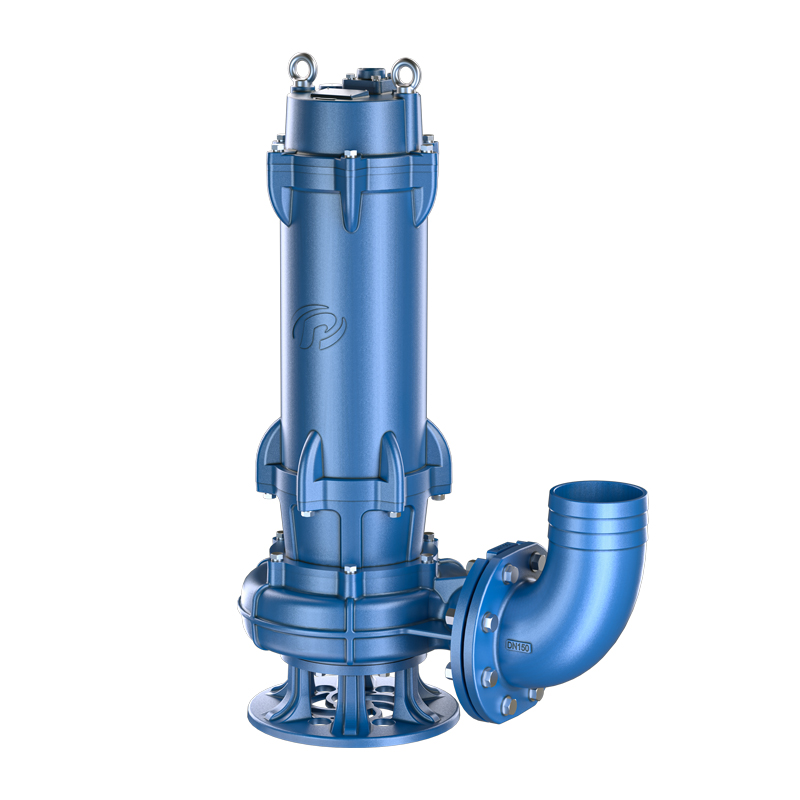
| Remove sewage from a wet well | WQA submersible direction | Wastewater and solids/fibres, operating levels, removal arrangement, cable and control scope. |
UPS: keep the speed, impeller and rated point together
The UPS product description specifies a ductile-iron body and cover, a bronze impeller, a packing seal, and angular-contact plus deep-groove ball bearings. Put those components into the offered material and construction schedule. Installation dimensions, driver and seal servicing must be confirmed for the actual assembly.
The published UPS50-250 table gives two configurations with a 216 mm impeller: at 2,950 rpm it lists 150 gpm, 86 psi and 22 kW; at 3,550 rpm it lists 150 gpm, 120 psi and 30 kW. These are catalogue rated points at different speeds, not interchangeable quotations or complete performance curves. Retain the original gpm/psi units when checking the supplier’s selection, and agree any conversion basis.
Request the full selected curve and motor/driver schedule for the site supply. Confirm the available suction pressure, elevations, pipe losses and operating range with the project designer. For fire service, agree the required listing and project acceptance documents before the purchase order; a family name alone does not settle that scope.
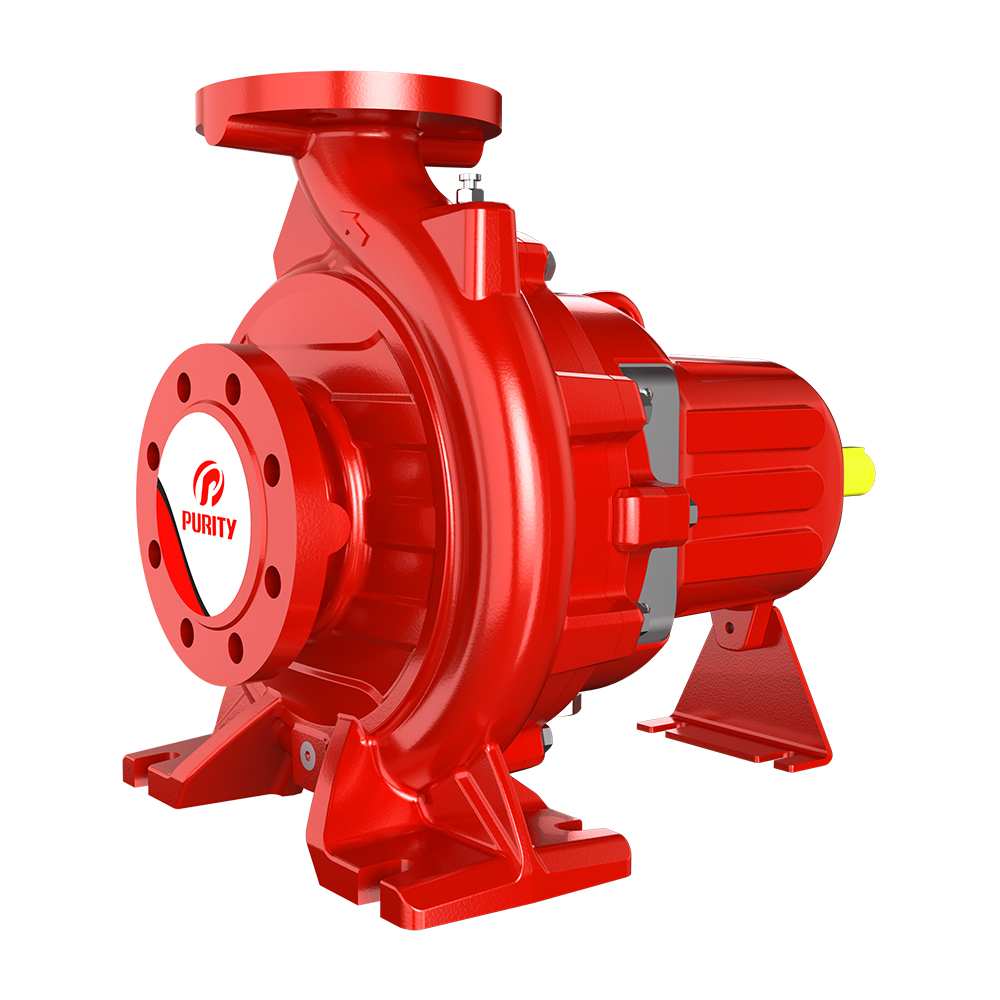
PV: choose the stage count at your flow, then settle the wetted materials
Purity describes PV as a vertical multistage arrangement with inlet and outlet on the same horizontal line. Its catalogue places this direction among jockey pumps. The compact vertical arrangement can be useful where floor area is limited, but the installation drawing and access above the motor still need to fit the pump room.
The 50 Hz, 2,900 rpm performance table illustrates how stages affect selection. At 6 m³/h, PV 6×8/2 lists 45.5 m head with 1.5 kW, while PV 6×15/4 lists 84.4 m with 3 kW. Both entries list 32×32 mm connections. Use these as examples of distinct catalogue configurations, then request the complete curve for the required operating range; neither is a universal recommendation for a building.
For pressure maintenance, provide the intended pressure set points and system conditions so the designer and supplier can select the pump and controller together. Ask for materials by component—pump housing, impellers, shaft, mechanical seal and elastomers—rather than relying on the outside appearance. Confirm the permitted liquid temperature and inlet pressure for the offered configuration.
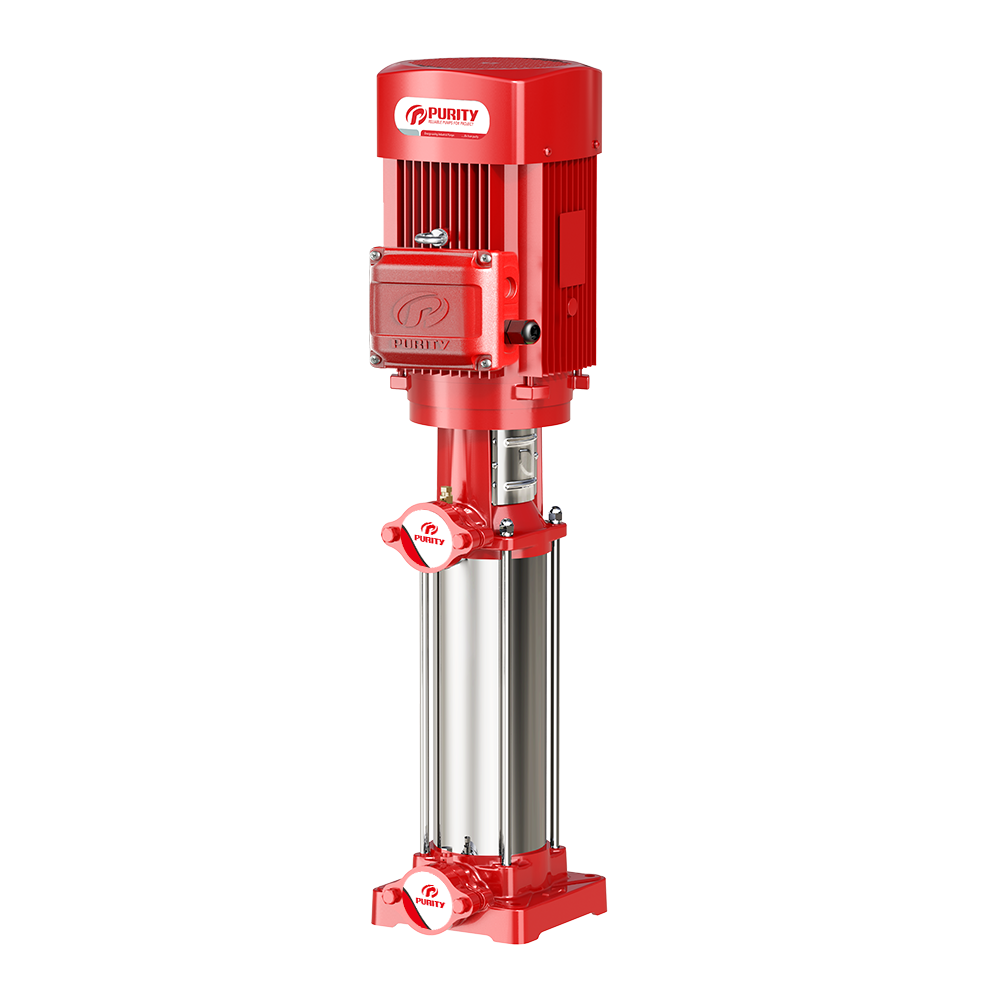
PEJ: agree what is on the skid and what remains site work
The PEJ description combines an electric main pump and a jockey pump. Its illustration also shows pipework, instruments and a control cabinet. Use a written bill of materials and schematic to define what the quoted system actually includes.
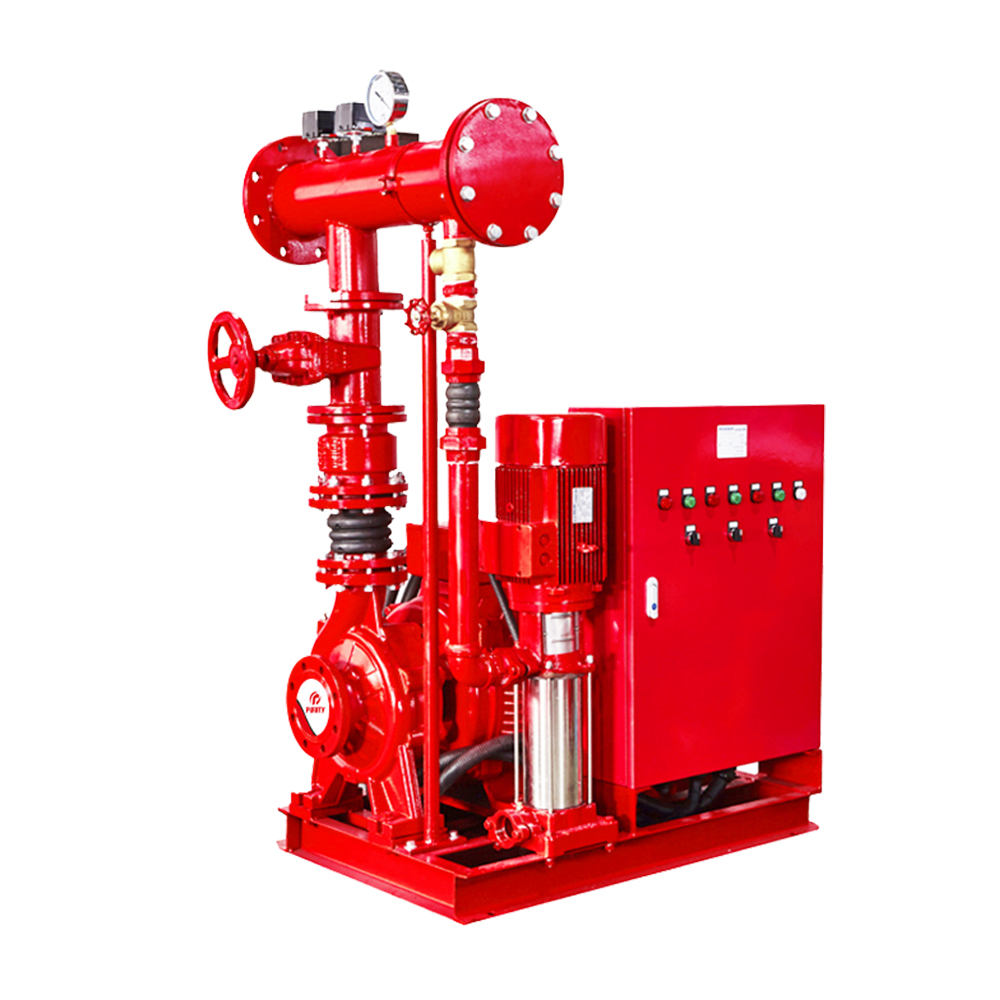
Agree the hydraulic boundary
Identify the main and pressure-maintenance pump duties. List headers, isolation and check valves, gauges, test arrangements and interfaces to the water source and building system.
Agree the electrical and control boundary
Specify site voltage, frequency, phase, available supply and required controller documents. Define alarms, signals, commissioning responsibilities and any equipment supplied separately.
Agree approval and acceptance evidence
Match the required pump and controller approvals to their exact offered designations. Approve the curve, layout and acceptance programme, and define the records required at delivery and on site.
PT and WQA serve different utility duties
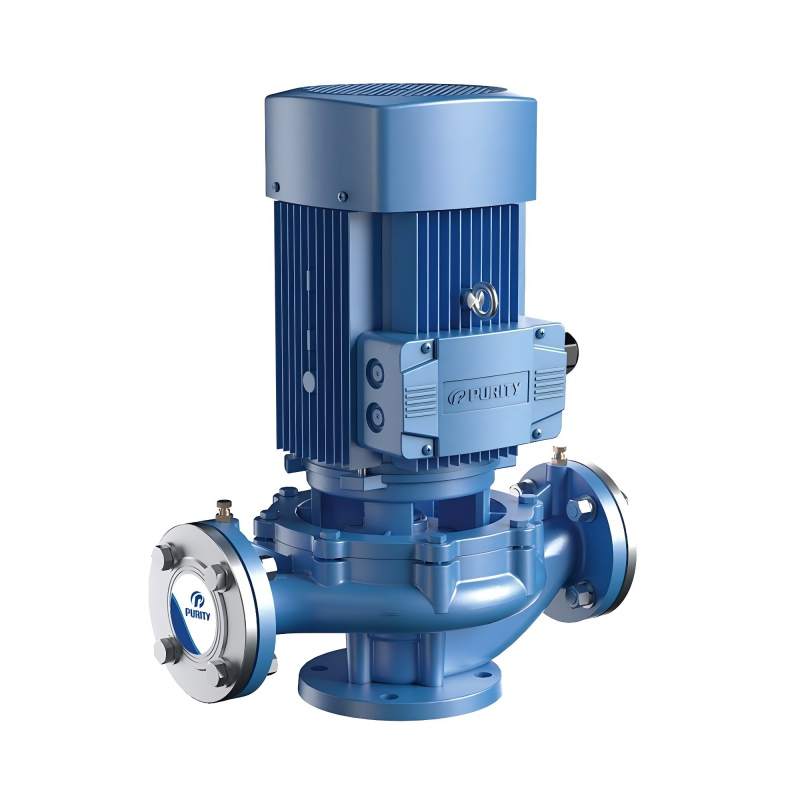
PT: inline pipework and motor configuration
The PT designation diagram identifies a vertical inline pump; an “m” suffix indicates single phase, while the blank position indicates three phase. Its product description lists F-class winding insulation and IP55. Check the full designation and nameplate against the site supply, and obtain the actual connection, support and maintenance drawing. The marine wording in a product title should not replace the project’s required equipment approval documents.
WQA: access, wastewater and motor protection
The WQA page’s designation diagram distinguishes a WQD single-phase direction from WQ three phase and explains outlet size, rated flow, head and power positions. Submit the complete designation rather than a shortened WQ prefix. Specify the wastewater, solids and fibres, sump levels and removal method, then obtain the selected curve, allowable passage and protection/control requirements. General wide-voltage marketing is not a defined voltage tolerance for an order.
Make the supplier identity and approval scope part of the submittal
The Chinese company history records establishment in 2010 and reorganisation as 普轩特泵业股份有限公司 in June 2019. A government-hosted December 2022 environmental project report independently identifies the same company in Wenling and describes its pump-manufacturing business. Use the legal supplier name on the quotation, invoice and acceptance records; the English brand presentation and a contracting company name have different purposes.
CQC’s January 2026 certificate bulletin names 普轩特泵业股份有限公司 as manufacturer of clean-water centrifugal pumps under CQC23701373097 and CQC23701373099. The bulletin refers to model annexes; it does not establish that a particular UPS, PV, PEJ or WQA configuration is covered. Obtain the current certificate, annex and issuer status for the model actually offered.
Purity markets an UL-approved fire-pump direction. For an order that requires listing, obtain the exact manufacturer/model entry and covered configuration, including any separate driver or controller requirements. A clean-water pump certificate, a component listing and acceptance of a complete installed fire system establish different scopes. Keep the project’s required evidence attached to the quotation.
Send a project brief that can produce a comparable quotation
Water duty & installation
- Pump role, required flow/pressure or head, operating range and source-water conditions.
- Water or wastewater properties, temperature, solids/fibres, source levels and inlet pressure.
- Pump-room or sump drawing, connections, site access and maintenance/removal space.
Configuration & scope
- Exact proposed designation, speed/stages, curve, materials, seal and electrical supply.
- Pump-only or package order; written list of drivers, controllers, piping, valves and instruments.
- Approval requirements for the destination and exact model evidence requested by the project.
Delivery & acceptance
- Submittal drawings, inspection/test programme, commissioning boundary and required records.
- Quantity, destination, target date, packaging and documentation language.
- Nameplate identification, service instructions and critical seal, bearing or wet-end spares.
Submit through KanBeng’s enquiry form with this factory named in your request.
Profile research and product selection
Reviewed on 8 October 2026 from Purity’s company history and current product documentation, with CQC issuer records and government-hosted historical documentation for cross-checking. Catalogue figures are identified by configuration. KanBeng’s procurement questions help prepare an enquiry; the supplier and project designer must confirm the final selection and acceptance scope.
Report an outdated detail · Return to the enquiry checklist ↑