Pumping stations, water supply & integrated controls · Shanghai
Shanghai Liancheng (Group) Co., Ltd.
Shanghai Liancheng’s range extends from individual pumps to water-supply equipment and electrical controls. For municipal or building work, a useful comparison starts with the station: liquid, suction arrangement, civil dimensions, maintenance access and control responsibilities must fit together.
- Company identity
- 上海连成(集团)有限公司
- Published headquarters
- Jiangqiao, Shanghai, China
- Company history
- Established in 1993, according to company documentation
- Catalogue scope
- Pumps · water-supply equipment · electrical controls
- Project preparation
- Hydraulics, civil interfaces, controls and acceptance
Start with the water source, station and maintenance route
| Your station arrangement | Catalogue direction | What needs to be settled |
|---|---|---|
| Water-transfer station with horizontal machinery | SLO/SLOW double-suction split-case directions | Suction level and pressure, selected curve, pipe loads, foundation, alignment and casing access. |
| Deep intake or drainage station with a motor above the liquid | LP / LP(T) long-shaft direction | Intake geometry, pump setting depth, liquid properties, shaft-bearing arrangement and lifting height. |
| Wastewater wet well | WQ submersible sewage direction | Solids/fibres, wet-well levels, motor cooling, coupling arrangement and safe removal. |
| Boost water from an available municipal supply | ZWL(I) water-supply system | Permitted connection, upstream supply conditions, required pressures and control behaviour. |
| Packaged secondary-water-supply pump room | LCZF integrated box pump-house direction | Civil works, services, monitoring interfaces, delivery/lifting and commissioning boundaries. |
SLO/SLOW: specify a maintainable water-transfer installation
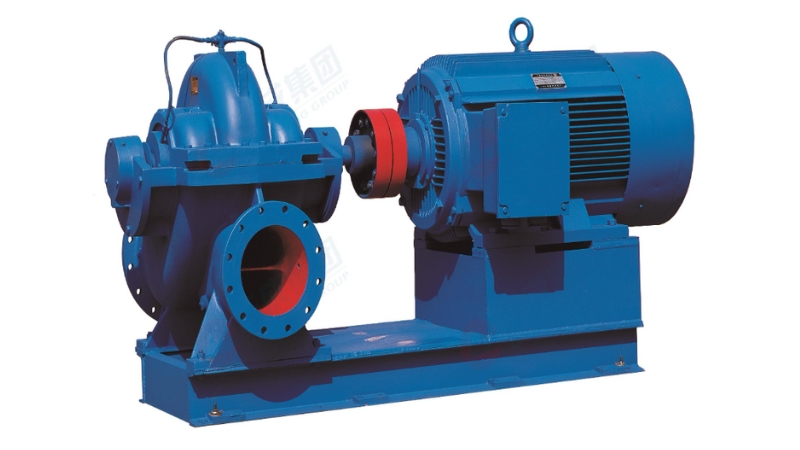
Liancheng’s SLO/SLOW description presents a double-suction split-case centrifugal direction for waterworks, circulation, irrigation and industrial water supply. The catalogue discusses mechanical-seal or packing options. Obtain the exact series, size, speed, impeller and seal arrangement: the inlet conditions and offered hydraulic curve matter more than a broad family capacity range.
Give the supplier the suction-water level, pressure range, pipe arrangement and liquid analysis. Ask for the selected duty curve and suction-performance data, then have the project engineer check them against the installation. Confirm flange orientation, pipe-load limits, baseplate and foundation requirements before finalising civil drawings.
For maintenance, request the drawing showing casing removal, rotating-assembly access and lifting points. Include coupling alignment, guards, driver and any seal utilities in the purchase scope. Identify the replacement seal, bearings and wear parts by drawing revision; a pump that fits the duty still needs to be serviceable inside the planned station.
LP and LP(T): the shaft and intake layout are part of selection
The LP(T) description places the impeller below the liquid and the motor above it, connected through a long shaft and rising discharge path. This changes the installation questions compared with a horizontal pump in a dry room.
Match the liquid to the shaft-bearing arrangement
The documentation distinguishes an LP service statement for non-corrosive water below 60 °C with limited suspended matter and no fibres or abrasive particles, from a protected-shaft development with supplied lubricating water. Ask which exact variant is proposed for your liquid, what solids it permits and what external water quality/pressure/flow it requires. Do not carry one variant’s assumptions over to the other.
Send the intake dimensions before freezing the length
Provide source-water levels, intake and sump dimensions, installation elevation and any existing foundation drawing. Obtain pump setting depth, minimum submergence, shaft/column configuration, supports and removal sequence for the selected unit. Plan the lifting route and height for the actual assembly lengths.
WQ: agree the passage, cooling and removal arrangement
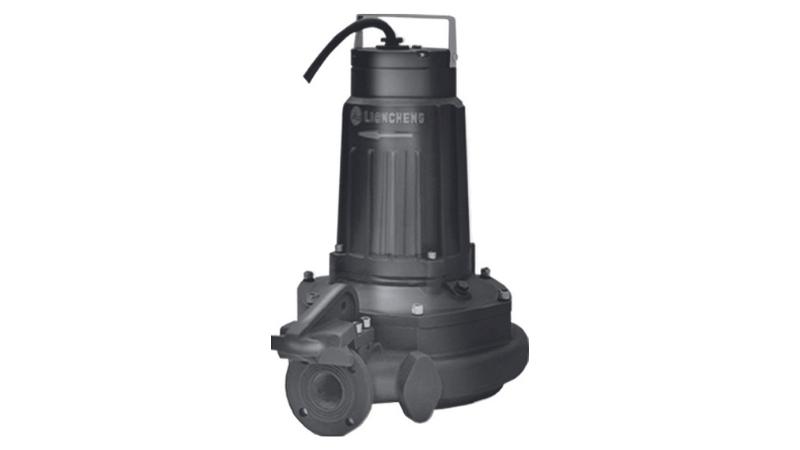
Liancheng’s WQ page is aimed at sewage, wastewater and rainwater containing solids and fibres. It describes automatic-coupling and other installation options, and distinguishes minimum liquid levels with and without a motor-cooling system. Match those details to the wet well, operating sequence and access arrangements rather than specifying only flow and head.
The published WQ working-condition text gives a liquid-temperature limit of 40 °C and warns against strongly corrosive media or strongly abrasive solids for its cast-iron/ductile-iron direction. Obtain the actual minimum passage and allowed solids/fibre dimensions from the selected size’s documentation. The page’s concentration statement does not define the measurement basis, so include that basis in your liquid specification and ask the supplier to confirm suitability.
For replacement work, send the existing pump nameplate and coupling/base drawing. Confirm compatibility, discharge position, cable length, sensor connections and the motor/control configuration. Put guide rails, lifting provisions, level instruments and protection responses into the order or explicitly assign them to site work.
ZWL(I) and LCZF: define the water connection and pump-room boundary
ZWL(I): check the upstream supply first
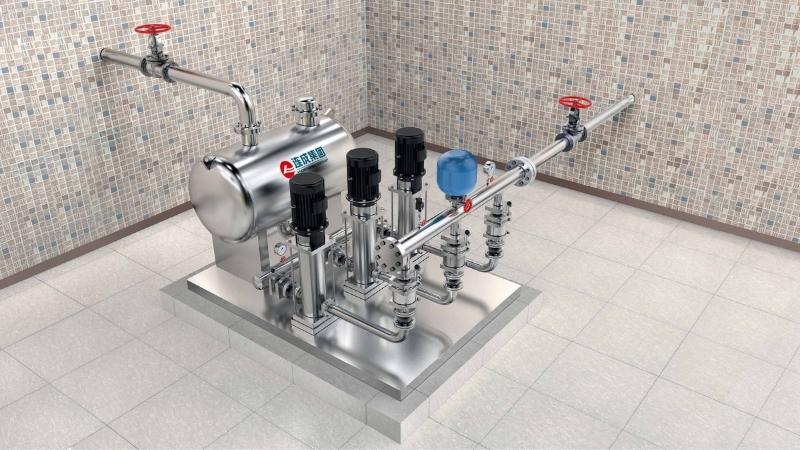
The ZWL(I) documentation describes enclosed water-supply equipment with negative-pressure prevention, intended for municipal supplies with sufficient water and relatively stable conditions. Provide measured or agreed inlet-pressure conditions and downstream demand. Confirm connection permission and protection requirements with the responsible water utility, then agree the selected package and its response to low inlet supply.
LCZF: translate an integrated pump house into a supply schedule
The LCZF V2.0 page describes a pump house combining water-supply equipment, automatic controls, remote monitoring, water-quality monitoring, safety/access features and environmental control. The offered scope must state which are included and what infrastructure they need. For a pump-room renovation, agree site preparation, foundations, delivery/lifting, power, network, drainage and commissioning responsibilities.
Materials and monitoring require project documents
Ask for the complete wetted-material schedule and any hygienic approvals your water service requires. For remote monitoring, agree signal lists, protocol, alarms, account ownership and ongoing service arrangements. A catalogue description of remote management does not define the integration with your existing building or utility system.
Agree the control sequence alongside the pump selection
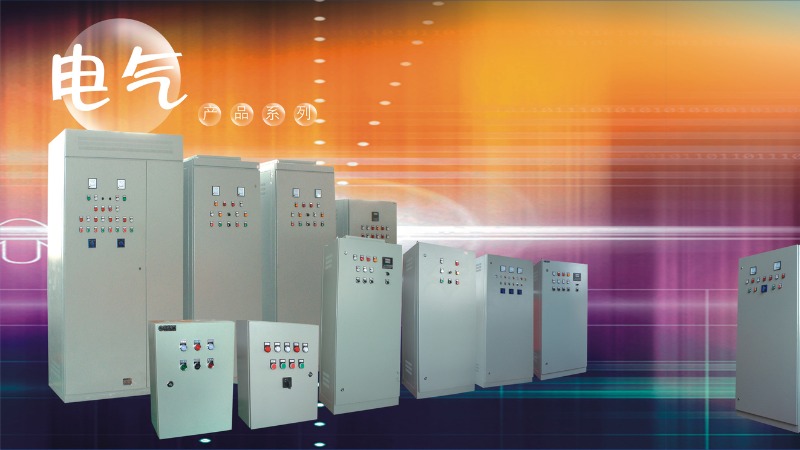
Liancheng’s electrical-control page lists direct, star-delta, autotransformer, soft-start and variable-frequency starting/control directions. The project’s motor rating, available electrical supply, permitted starting demand and operating sequence should drive the choice. Confirm the actual offered panel’s protection, enclosure, drawings and applicable approval documents.
An operating station needs a defined sequence for starting, stopping, duty/standby operation, low-water or low-inlet conditions, faults and alarms. Have the supplier identify which instruments and protections are included and which signals the site must provide. For fire service, specify the project’s required controller and system requirements separately; general control capabilities do not establish fire-system acceptance.
Approve selection and interfaces
Freeze the unit duty curve, materials, assembly, drawings, electrical supply, control logic and civil interfaces. Identify deviations and equipment provided by others.
Define factory acceptance
Agree the relevant hydraulic, pressure, material and control tests, their standards/editions, acceptance criteria, reporting and any witness points for the offered order.
Define site handover
Agree installation checks, alignment or coupling verification, control/alarms testing and the commissioning records. Include operator instructions, service drawings and identifiable spare parts.
Separate the company identity, contract evidence and product approvals
The company profile identifies Shanghai Liancheng (Group) Co., Ltd., describes a 1993 origin and a business spanning pumps, valves, fluid-delivery systems and electrical controls. Its named subsidiaries cover different manufacturing and support functions. Confirm the contracting and manufacturing entities for your offered equipment on the commercial and technical documents.
A June 2026 public procurement result names 上海连成(集团)有限公司 as the successful bidder for pump equipment in the Jiawang urban water-supply improvement project in Xuzhou. This provides an independently published example of a water-supply procurement award; it is not a commissioning report or evidence that an unrelated model meets your duty.
CQC’s January 2026 bulletin names the same company for clean-water centrifugal pump certificates CQC26701497098 and CQC26701497091. Model coverage is referred to annexes. Ask for the current certificate, model annex and issuer status of the actual offered product, and keep those separate from company-system certificates or a different product’s approval.
Prepare one coordinated station enquiry
Hydraulic & civil information
- Required flow/head and operating range; water levels, pressures and liquid properties.
- Sump/intake or pump-room drawings, foundations, connections and access/lifting constraints.
- Existing pump and coupling/nameplate details for replacement projects.
Mechanical & control scope
- Selected pump/driver arrangement, materials, seal or shaft-bearing utilities and service clearances.
- Pump-only, skid or pump-house boundary; valves, instruments, cables, panels and external services.
- Site electrical supply, starting/control requirements, signal list and monitoring interface.
Acceptance & supply
- Required model-specific approvals, drawings, factory tests and site handover records.
- Quantity, destination, programme, inspection/witness points and packaging.
- Installation responsibility, service information, training and critical spare-parts identification.
Submit through KanBeng’s enquiry form with this factory named in your request.
Research date and selection scope
Reviewed on 8 October 2026 from the company’s dedicated product and control documentation, cross-checked with official procurement and CQC records. The directions above are distinct catalogue choices. KanBeng’s station-planning questions support an enquiry; the supplier’s selected drawings, curves and order-specific acceptance documents determine the final equipment.
Report an outdated detail · Return to the enquiry checklist ↑