
Building-water equipment and system services
Hubei Boyuan Pump Co., Ltd.
Choose the water-system task first: pressure boosting, circulation, make-up or sewage discharge. Then define equipment, controls and site work in the same purchase brief.
- Location
- Wuhan, Hubei
- Catalogue routes
- Supply, circulation, make-up and WQ sewage
- Service scope
- Selection, retrofit, commissioning and training
- Purchase documents
- Duty, system drawing and component schedule
A building-water supplier with a system-service offering
Hubei Boyuan Pump Co., Ltd. presents water-supply packages, circulation pumps, pressure-maintenance equipment and submersible sewage pumps. Its company introduction describes pump selection, commissioning and operator training alongside variable-frequency control upgrades, pump and valve replacement, pipework redesign and maintenance. These services make the installed system an important part of the purchase brief, rather than treating every enquiry as a loose pump purchase.
The company identifies a Wuhan, Hubei address and names 湖北博源泵业有限公司. Its catalogue has distinct entries for non-negative-pressure variable-frequency supply, vertical stainless-steel single-pump supply, constant-pressure supply, CHL single-pump supply, cooling-tower duty, air-conditioning circulation, pressure-maintenance make-up, WQ sewage and PUN hot-water circulation. Begin by identifying which system function needs to change.
For a packaged order, ask the quotation to name the contracting supplier and identify the pump, motor, drive, vessel and control-panel components. The company’s service offering and catalogue establish an enquiry route; the agreed bill of materials, drawings and test documents establish the equipment that will actually be delivered.
Separate pressure boosting, circulation, make-up and drainage
The catalogue’s water-supply packages address a different task from its circulation and sewage entries. A water-supply brief describes demand and the pressure needed at the delivery point. A circulation brief describes the loop and its pressure losses. A pressure-maintenance brief concerns the system’s pressure-control and make-up arrangement, while a sewage brief starts with the collected liquid and pit installation.
Use the comparison below to send the right information with the first enquiry. It compares the company’s actual catalogue routes, without assigning unlisted flow, head, temperature or electrical ratings. The selected equipment needs its own curve, allowable conditions and configuration schedule.
| Boyuan catalogue route | Purchase task | Information that changes the selection |
|---|---|---|
| Non-negative-pressure VFD supply | Pressurised water-supply package | Available inlet pressure, demand pattern and permitted connection arrangement |
| Vertical stainless-steel single-pump / CHL single-pump supply | Compact supply arrangement | Duty, location, connection drawing and outage requirement |
| Variable-frequency constant-pressure package | Supply with controlled outlet pressure | Pressure target, sensor location, demand range and operating combinations |
| Cooling-tower / air-conditioning circulation | Move water around the specified system | Open or closed arrangement, losses, water condition and temperature |
| Pressure-maintenance make-up assembly | Maintain pressure and replenish a system | System volume, pressure settings and connection/control responsibility |
| WQ / PUN | Sewage discharge / hot-water circulation | Wastewater and pit details / liquid temperature and circulation interfaces |
Compare a complete supply package with a single-pump arrangement
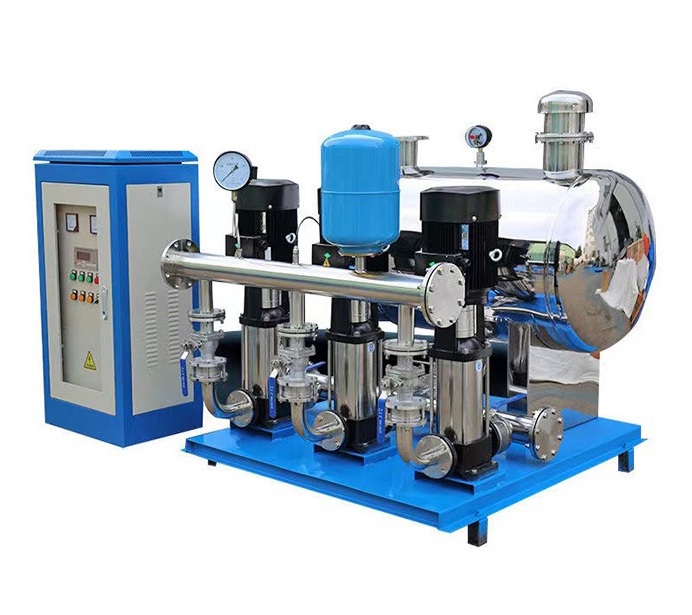
The non-negative-pressure catalogue image shows a skid with several vertical pumps, connecting headers, a horizontal vessel, a smaller blue vessel and a separate cabinet. The constant-pressure image shows three vertical pumps, headers and a blue vessel. These illustrations help identify components to include on a package drawing; they do not establish the number of duty or standby pumps in an individual quotation.
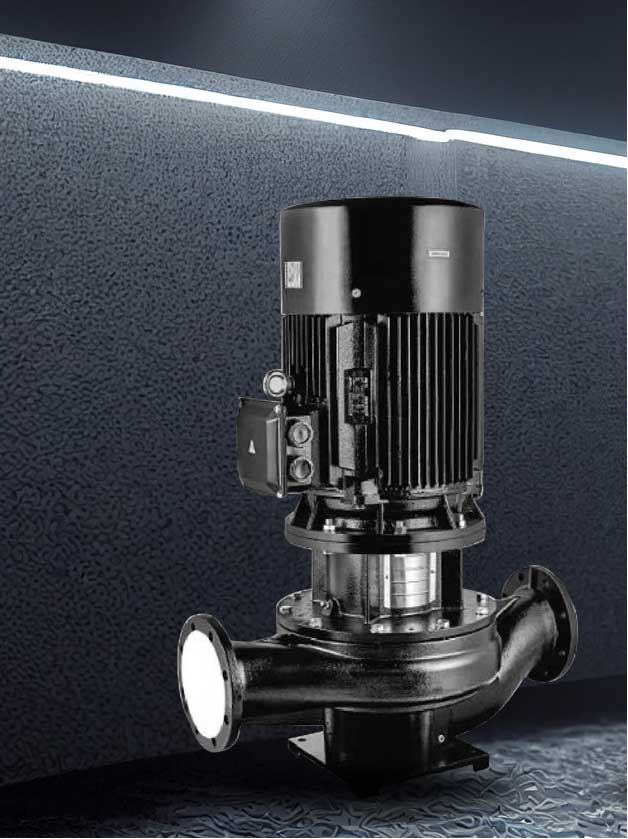
The vertical single-pump entry instead illustrates one stainless-steel pump with an attached controller, vessel, gauge and base. The CHL entry illustrates a horizontal pump with a controller and small vessel. Compare available floor space, removal access, connections and the consequence of taking one pump out of service. Ask for the actual overall drawing and the agreed operating arrangement, rather than deriving dimensions or redundancy from the picture.
For the non-negative-pressure route, document the supply connection and the lowest expected inlet pressure. Agree the protection and control response when that inlet condition is not available. For a constant-pressure package, specify the pressure measurement location, demand range, start/stop sequence and fault signals. Include the vessel specification and control settings in the approved package schedule.
Match the circulation duty to the actual circuit
Boyuan separates its cooling-tower pump from its air-conditioning circulation pump and PUN hot-water circulation entry. Send a system sketch showing whether the circuit is closed or includes an open basin, and identify heat exchangers, control valves, strainers and the relevant liquid levels. A cooling-tower application name alone does not define the suction condition or required pump head.
In a closed circulation system, the pump duty is principally associated with circulation losses, while the casing and sealing arrangement must accommodate the system pressure. For a circuit with open liquid surfaces, elevation and the water levels also affect the system characteristic. This is why the same building can require separate information for circulation flow, pump differential head and allowable pressure.
For a hot-water enquiry, specify normal and maximum liquid temperature, water treatment or additives, operating hours and connection dimensions. Obtain the selected unit’s temperature, pressure, material and seal limits. The PUN page names the hot-water function but does not issue numerical operating limits; do not use a general circulation reference as a rating for that particular unit.
Keep pressure maintenance separate from the circulation pump
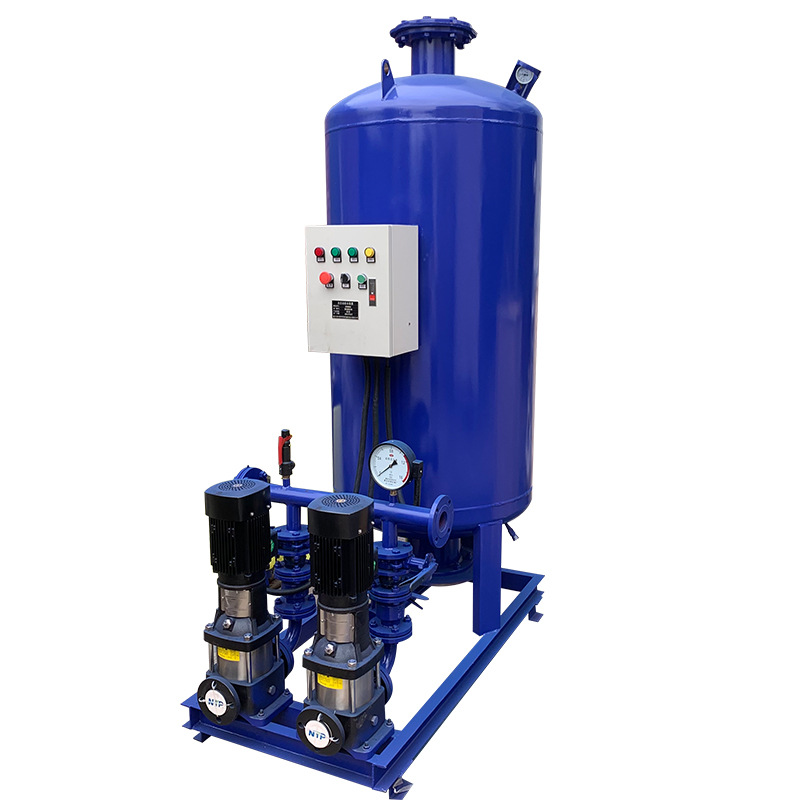
The pressure-maintenance make-up entry illustrates a tall vessel, a control box, gauge, two pumps and a common base. It is a separate catalogue assembly from the circulation pump. A useful enquiry identifies the system it connects to, its water volume, filling source and proposed connection point, then asks for the selected vessel and pump schedule.
Agree the pressure settings and which party supplies the controls, sensors, valves and connection work. Include alarm and fault behaviour in the control description and identify who commissions the assembly with the existing plant. The image shows an arrangement, not a certified pressure-vessel rating or evidence of the assembled controls’ function.
For a replacement, send the existing assembly nameplate, settings and fault history. Recurrent loss of system pressure or frequent make-up calls for checking the system condition as part of the work scope. Boyuan’s stated maintenance and pipework services provide a route for discussing that scope alongside the equipment quotation.
Give the WQ enquiry its own wastewater and installation brief
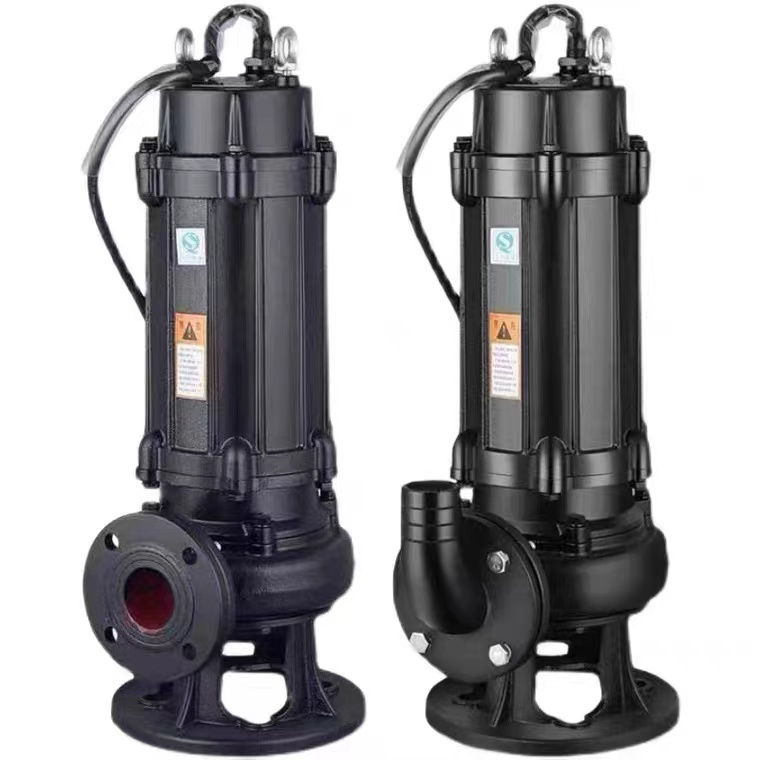
The WQ catalogue entry shows two submersible sewage pump arrangements with different visible discharge positions. Start with the wastewater description, required flow and discharge head, then include the pit dimensions, available operating levels, discharge pipe and maintenance access. A domestic water-supply package is not a substitute for this wet-well brief.
Identify suspended material and possible fibrous debris, and ask for the selected impeller passage and allowable solids information. Specify the intended support or coupling arrangement, lifting provision, cable length and the level-control responsibility. Obtain the actual installation drawing so the discharge connection and removal path can be checked against the pit.
For an existing station, include the current nameplate, operating levels and symptoms such as blocked flow, repeated starts or motor trips. Separate a replacement-pump quotation from pit, control and pipework work. The WQ page provides a product route and image, but the required solids, duty and electrical limits need order-specific documentation.
Make the quotation cover equipment, controls and site work
Name Hubei Boyuan Pump Co., Ltd. in the platform enquiry and choose the relevant information group below. The company describes selection, commissioning, operator training and retrofit support; list which of these tasks you require and where the work will take place. Ask for equipment and site services to be priced as defined scopes, with acceptance documents and handover responsibilities.
For an upgrade, provide the current equipment and controller identification, electrical supply, operating observations and the drawings available. A variable-frequency retrofit needs an agreed motor/drive and control arrangement, with commissioning checks and fault handling. State destination, quantity and required schedule so delivery and service availability can be confirmed for this actual project.
Build a complete pump and system enquiry →
New water-supply package
- Demand range, delivery pressure and measurement location; inlet source and lowest available pressure.
- Space, headers, connections and maintenance access; required duty/standby arrangement.
- Selected curves, component schedule, controls, protections and package acceptance.
Circulation, make-up or drainage
- Circuit or pit sketch; liquid conditions, temperature and duty.
- System pressure and losses for circulation; volume/settings for make-up; solids and levels for WQ.
- Connection, vessel or coupling drawing; electrical supply, cables and control interfaces.
Retrofit and handover
- Existing nameplates, settings, fault history and operating measurements.
- Pump/valve replacement, drive upgrade, pipework, commissioning and training scope.
- Legal supplier and component identification; documentation, spares, destination and schedule.
Submit through KanBeng’s enquiry form with this factory named in your request.