
Specify chemical dose, injection pressure and the complete dosing circuit
Changzhou Xiaoyuan Machinery Co., Ltd.
Changzhou Xiaoyuan’s useful distinction is between a metering pump and a complete chemical-dosing assembly. Its catalogue separates JJM mechanical diaphragm pumps, JYM hydraulic diaphragm directions and tank-and-pump packages. Choose a documented capacity-pressure pair, then define chemical compatibility, line accessories and control responsibilities.
- Company identity
- 常州市啸源机械有限公司
- Listed base
- Hutang, Wujin, Changzhou, Jiangsu
- Catalogue distinction
- Mechanical diaphragm · hydraulic diaphragm · dosing assembly
- Buyer inputs
- Dose · chemical · injection pressure · controls
The pump head and the dosing system are separate purchase scopes
The company introduction identifies Changzhou Xiaoyuan Machinery in Wujin, with metering pumps and water-treatment control equipment as its main directions. The product catalogue includes JYM hydraulic diaphragm, JJM mechanical diaphragm and a separately named phosphate-dosing pump. It also lists level instruments, valves, dampers, dosing assemblies and accessories.
Use the two existing public entries here for the diaphragm-family overview and phosphate-dosing direction. Neither entry turns every catalogue option into one universal rating. A bare-pump quotation must identify the drive and pump head; a complete-package quotation must additionally define tanks, mixing, piping, controls and installation interfaces.
The introduction describes chemical addition and proportioning for water treatment and other industries. An application list does not establish suitability for every reagent or food/pharmaceutical specification. Put the actual chemical, concentration, temperature and required material documentation into the selection brief.
A family’s highest capacity and highest pressure are not one operating point
The JJM-II mechanical diaphragm table gives JJM-200/0.5 as 200 L/h at 0.5 MPa and JJM-100/1.0 as 100 L/h at 1.0 MPa, both with a 0.18 kW motor. The JYM-I hydraulic table gives JYM-I-20/4.0 as 20 L/h at 4.0 MPa and 0.55 kW. These are separate original model rows; combining the largest flow with the largest pressure would create an unsupported selection.
The JYM-II page has a summary maximum of 180 L/h and 24.5 MPa but contains other capacities and pressures in its detailed table. The large-flow page likewise mixes a summary with broader table entries, and its JYM-1000/2.0 row prints 2.5 MPa in the pressure column. Ask for a current issued selection sheet resolving the exact designation rather than choosing whichever number is more attractive.
Keep litres/hour distinct from cubic metres/hour, and MPa distinct from bar. The selected rows below use MPa as printed. The phosphate page uses bar and prints a flow quantity without a clear time basis; that text is not a basis for applying the hydraulic-family pressure limit to the phosphate pump.
| Original model row | Capacity | Pressure | Motor |
|---|---|---|---|
| JJM-200/0.5 | 200 L/h | 0.5 MPa | 0.18 kW |
| JJM-100/1.0 | 100 L/h | 1.0 MPa | 0.18 kW |
| JYM-I-20/4.0 | 20 L/h | 4.0 MPa | 0.55 kW |
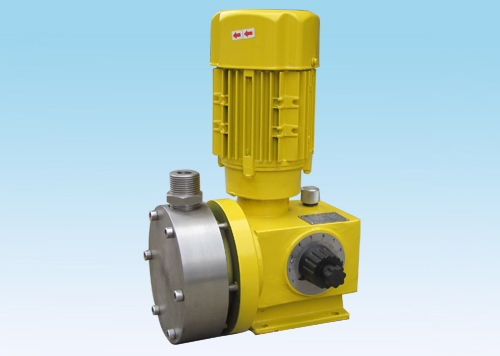
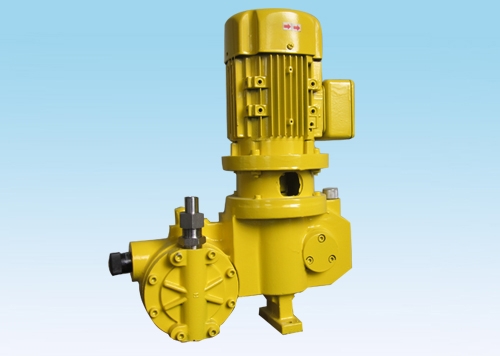
Mechanical and hydraulic directions have different stated adjustment conditions
JJM-II describes an eccentric mechanical drive, with flow adjustment during operation. JYM-I and JYM-II describe adjustment with the pump running or stopped through a control rod changing effective plunger travel. These statements concern the named directions; the phosphate page describes another adjustable eccentric mechanism. Ask for the supplied model’s instructions rather than transferring an adjustment method between families.
The pages claim ±1% accuracy over a 10–100% adjustment range, while other text mentions 0–100% adjustment. A knob range is not an accuracy guarantee at zero or under every chemical and back-pressure condition. Define the test liquid, pressure, settings, measured delivery and acceptance method, including the low-dose range that matters to the process.
A primary dosing-skid operating manual from another pump manufacturer requires calibration with the dosing medium and checking accessory/control interaction. That is useful procurement context, not proof of Xiaoyuan’s test results or a relationship between the companies. Request the actual supplied pump’s calibration procedure, records and control response; a commanded stroke percentage alone does not establish delivered chemical dose.
A phosphate application name does not approve every solution
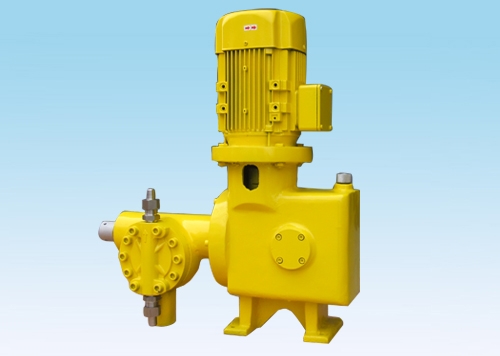
The phosphate-dosing description identifies a PTFE diaphragm and lists PVC, PP, PTFE, PVDF, 304/316 stainless steel and a Hastelloy direction as material choices. Its closed, oil-lubricated worm drive and isolated diaphragm head are described features. Select the actual wetted head, valve balls/seats, diaphragm, seals and connections for the reagent rather than choosing from a general material list.
Provide phosphate formulation and concentration, temperature, density, viscosity and any solids or crystallisation risk. The page’s broad temperature, viscosity, no-leakage and long-life statements should not become guaranteed ratings for every head or assembly. Ask for the selected construction and operating limits, plus the cleaning and maintenance procedure for that chemical.
For a dosing change, identify whether the process needs continuous addition, timed batches or proportional control. State minimum, normal and maximum required dose and the injection-pressure range. A pump sized only for maximum flow may leave the important low-dose operating and measurement requirements unresolved.
Tank count does not tell you the duty and standby logic
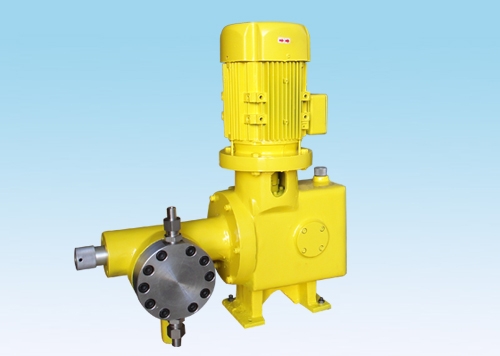
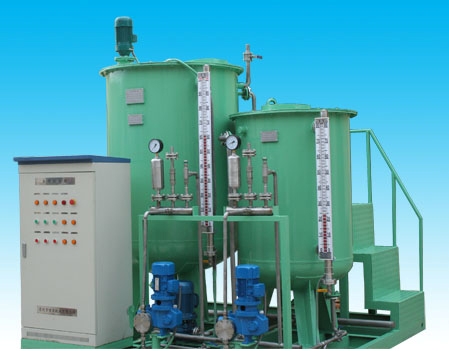
The phosphate assembly page describes metering pumps, a solution tank, mixer, damper, electrical cabinet, piping, valves and accessories on a common base. It lists arrangements ranging from one tank/one pump to multi-tank, multi-pump systems, with local or remote manual/automatic control. A photograph or tank/pump count does not determine which pump is duty, standby or assigned to another injection point.
The second assembly page allows different component brands and materials. Specify who selects, supplies and warrants every major component, and whether the quotation includes fabrication, wiring, instruments, control software and site commissioning. The supplier’s automation description does not establish that every package has a particular communication protocol or feedback sensor.
For a comparable package proposal, issue a process diagram with tank working volume, mixing requirements, chemical makeup, injection points, required redundancy and available services. Define control inputs/outputs, loss-of-signal behaviour, low-level interlock and alarm responsibilities. Ask for the offered arrangement and tested functions in the supplied documents.
A check valve, back-pressure valve and relief valve are not interchangeable
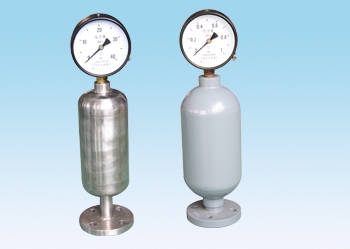
The catalogue lists safety valves, check valves and dampers, but some descriptions mix their functions. The damper page includes wording about pressure release as well as pulsation reduction; the check-valve text also names back-pressure valves. Use a labelled piping diagram and component data rather than assuming these are equivalent accessories.
For the offered dosing circuit, identify reverse-flow prevention, any controlled back pressure, pressure relief and pulsation control separately. Ask for each component’s material, pressure rating, connections and required setting, with a defined destination for relieved chemical. The internal pressure-release feature described for certain hydraulic directions does not establish the complete external circuit’s protection.
The primary skid manual reviewed distinguishes relief valves, back-pressure valves and pulsation dampers and requires their application-specific adjustment. Procurement should therefore include the supplier’s issued layout and commissioning instructions. Do not copy a valve setting from a different manufacturer or improvise a pressure test from a generic product description.
Compare complete proposals against the same chemical process
Ask each quotation to identify the full selected model and capacity-pressure pair, supplied materials, control method and package exclusions. Retain the revision of the selection sheet and process diagram, especially where old catalogue summaries conflict with detailed tables. Agree spare diaphragms, valves, seals and driver service items by the exact supplied configuration.
Prepare a structured procurement RFQ →
Chemical and dosing duty
- Chemical/formulation, concentration, temperature, viscosity, solids and crystallisation conditions.
- Minimum, normal and maximum delivery; injection pressure and suction-tank levels.
- Selected paired model data, wetted materials and required calibration/accuracy conditions.
Circuit and automation
- Pump-only or tank/mixer/skid scope, injection points, duty/standby roles and component brands.
- Identified check, back-pressure, relief and pulsation devices with chemical-compatible discharge arrangement.
- Local/remote signals, feedback, low-level interlock, alarms and controller responsibilities.
Acceptance and support
- Issued selection sheet, process/assembly drawings and full component schedule.
- Measured delivery and functional test records under agreed conditions, installation and maintenance instructions.
- Spare-part references, destination support, delivery scope and contractual warranty.
Submit through KanBeng’s enquiry form with this factory named in your request.