
Pump components and assembly matching
Henan Xinnai Pump Co., Ltd.
Start with the existing assembly and its drawing. Xinnai’s catalogue separates multistage, rotor and pipeline components, so the purchase brief should define both the part match and the supplied assembly.
- Location
- Fengqiu County, Xinxiang, Henan
- Catalogue focus
- MD, SK, SD/SDⅡ, SL and W/L components
- Purchase distinction
- Finished part, rotor assembly or complete pump
- Order evidence
- Selected drawing, materials and inspection scope
Start with the supplied assembly, not just a pump name
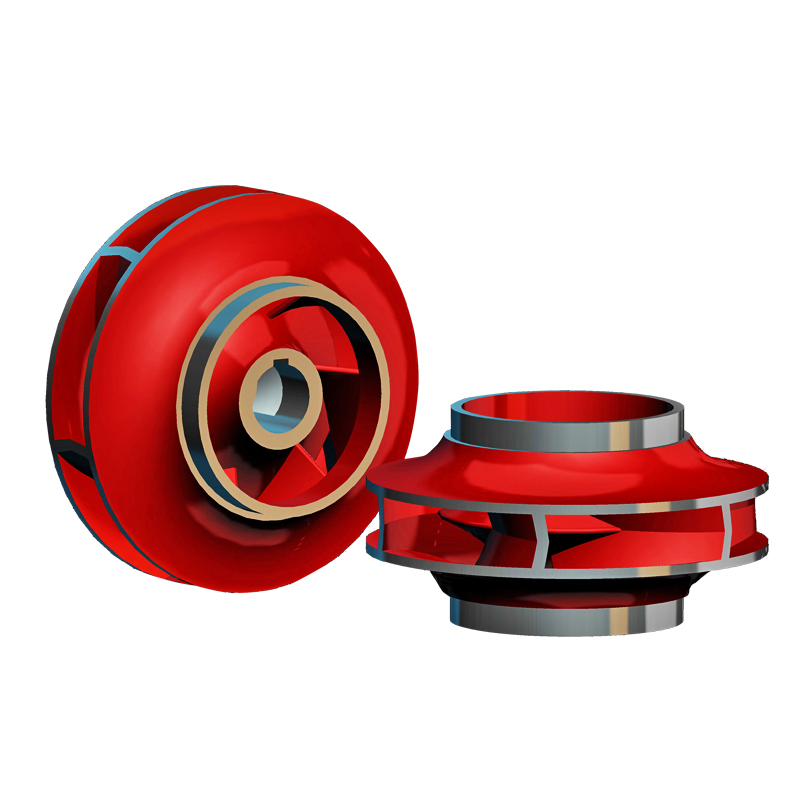
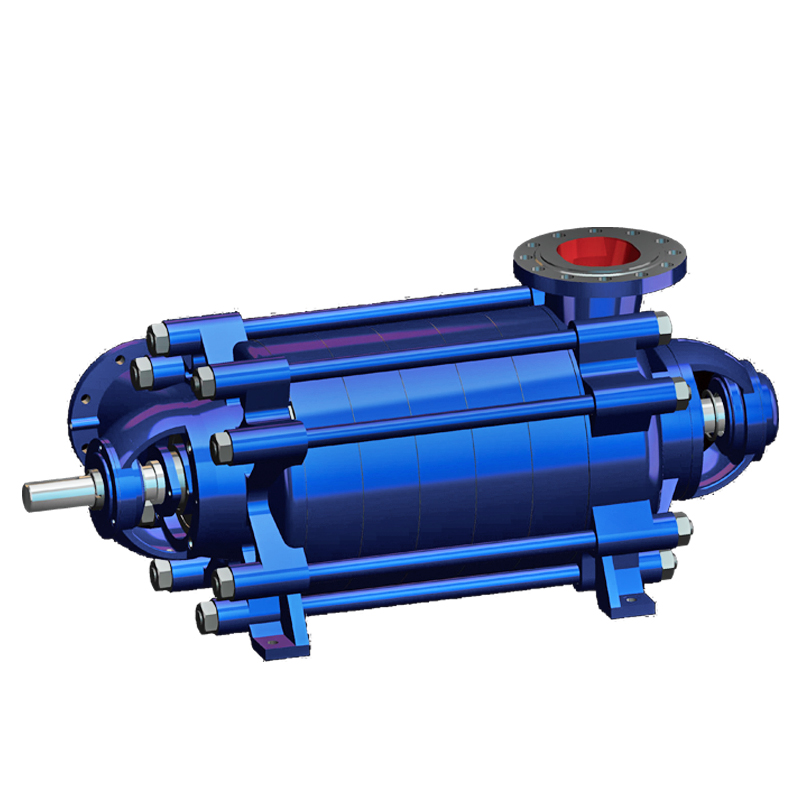
Henan Xinnai Pump Co., Ltd. presents a catalogue with complete-pump illustrations alongside a much larger range of hydraulic and rotating parts. Its MD pages show a multistage pump, inlet and outlet sections, first- and subsequent-stage impellers, guide vanes, intermediate sections and a rear cover. SK, SD/SDⅡ and SL are organised into their own structural drawings, rotor assemblies, impellers, shafts, sleeves and sealing components. W/L covers horizontal and vertical pipeline arrangements and their parts.
For a buyer, this creates two different enquiries. A new pumping duty needs a selected complete assembly, curve, motor and installation drawing. A repair order starts with the existing pump identification and the failed component. Agree whether the quotation supplies a bare casting, finished component, rotor assembly or complete pump; an illustration of the latter does not settle the delivery scope of a spare part.
The company identifies its base in Fengqiu County, Xinxiang, Henan. Its posted business document names 河南新耐泵业有限公司. Use that precise supplier identity on the quotation and inspection paperwork. Industry application lists help identify possible duties, while an order-specific technical review establishes whether the selected construction fits yours.
Choose the catalogue family before measuring the replacement
The separate SK, SD/SDⅡ and SL directories matter when repairing installed equipment. Similar descriptions such as impeller, shaft sleeve or sealing ring are not evidence that the parts interchange. The SD directory even separates SD and SDⅡ rotor, impeller and seal-bracket entries. Send the complete existing designation, photographs of the nameplate and disassembled part, and the applicable drawing revision.
The structural product pages describe clean water and identify cast iron, tin bronze and silicon brass as material choices, with other materials subject to configuration. Keep the actual part material on the order: a family page listing several options does not mean every casting, rotor and wearing part shares one alloy. For another liquid, provide composition, temperature and abrasive content for review rather than relying on the site’s broad industry list.
| Catalogue route | Visible component scope | What establishes the match |
|---|---|---|
| MD | Inlet/outlet sections, impellers, guide vanes, middle section and rear cover | Stage count, hydraulic size and section/rotor drawing |
| SK | Rotor, impeller, shaft, sleeves, sealing ring and seal gland | Full SK designation and measured mating interfaces |
| SD / SDⅡ | Separate structural, rotor, impeller and seal-bracket entries | Identify SD versus SDⅡ before agreeing the part number |
| SL | Rotor, impeller, shaft, sleeves, bearing and seal bodies | Existing assembly drawing, rotation and seating dimensions |
| W/L | Horizontal/vertical pipeline pumps, bodies, connecting bracket and impeller | Installation orientation, motor interface and flange dimensions |
For a multistage repair, preserve the hydraulic and axial stack
The MD catalogue’s first-stage and subsequent-stage parts should be identified separately. An impeller and a guide vane form a hydraulic passage, while the sequence and axial dimensions of the sections establish the assembly. Ask which parts are supplied machined and which require fitting, and agree the inspection dimensions before ordering a replacement rotor or set of sections.
The company’s D-type installation article describes a sectional centrifugal pump for clean water without solids, abrasives or suspended matter, with a stated liquid-temperature interval of −20 to 80 °C. That article applies to its described D construction; it is not a performance sheet for every MD part in the current catalogue. Obtain the actual selected pump’s liquid limits, materials and curve.
The same article describes balance disc, ring and sleeve components, axial rotor movement and a balance-water return. Its practical maintenance implication is to inspect the balance assembly and return path along with the impellers, sealing rings and guide-vane sleeves. A repair enquiry should include wear measurements and symptoms; changing one part without checking the associated interfaces can leave the cause unresolved.
Order the rotor as a defined assembly with inspection requirements
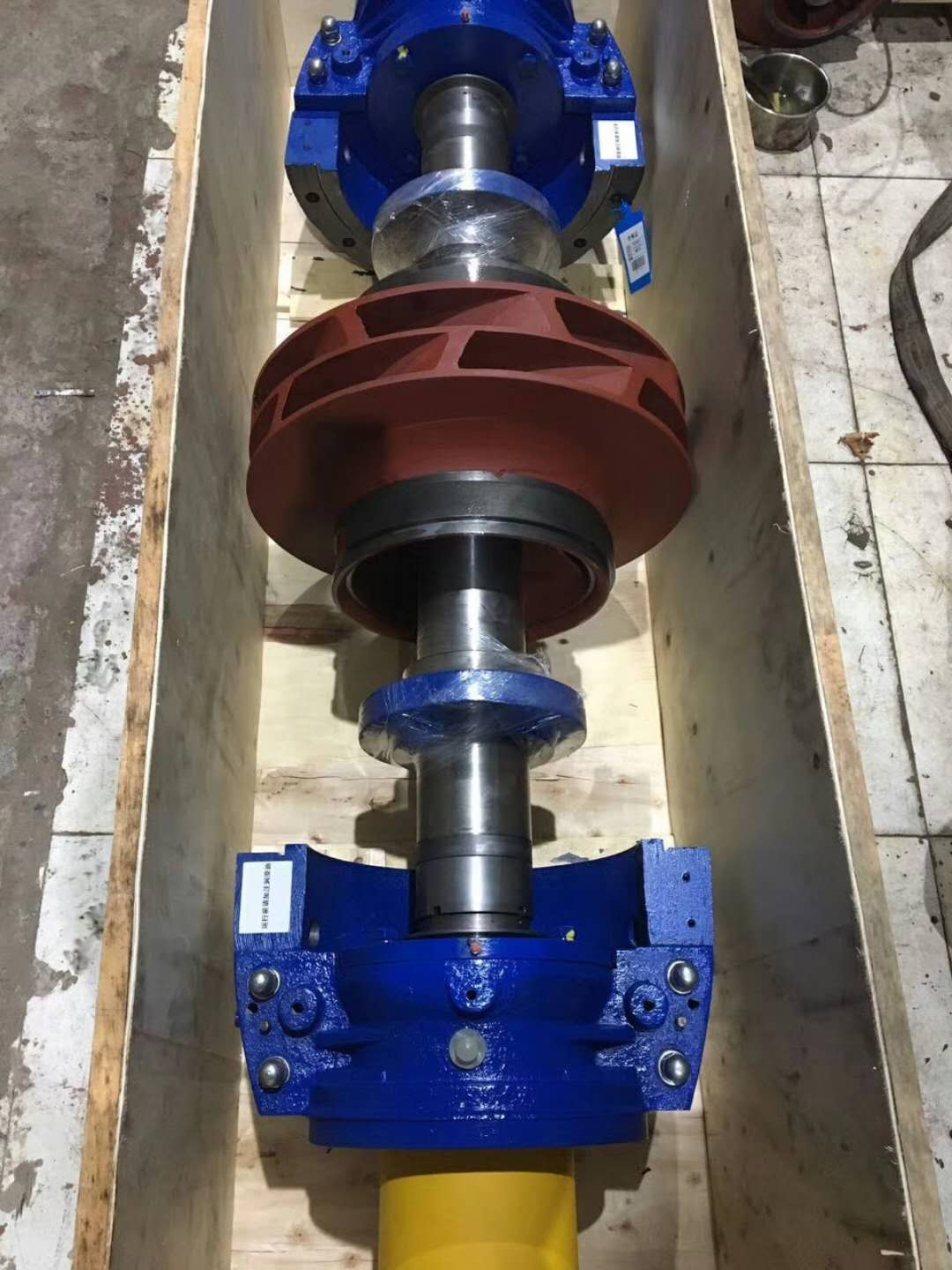
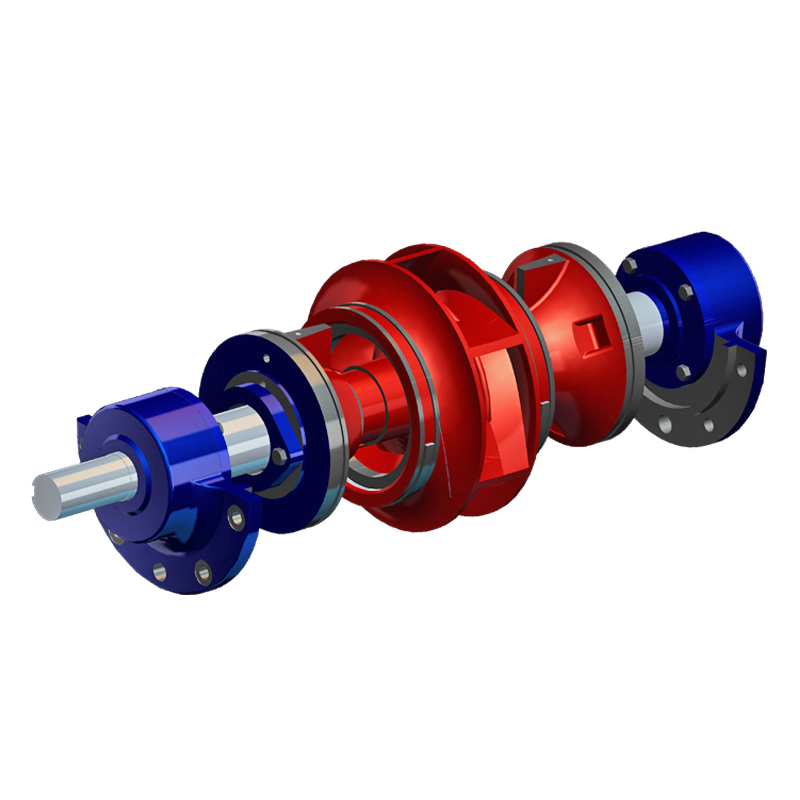
The SK catalogue shows a rotor assembly with impeller, shaft and bearing-related components, while the production gallery includes an actual assembly photographed in a wooden crate. Use the illustration for component identification and the photograph for the visible supply arrangement; neither supplies an approved dimensional drawing or a balancing report for your order.
For a rotor purchase, identify the shaft ends, bearing seats, sleeve and seal locations, coupling interface, impeller diameter and direction of rotation. Specify whether the assembly includes bearings, housings, sleeves, wearing rings and the mechanical seal. Request the agreed dimensional inspection, runout and balancing documentation with the supplied assembly rather than assuming a photograph demonstrates those results.
The company’s D installation guidance also distinguishes pump/motor alignment from pipe support. A flexible coupling does not compensate for significant misalignment, and inlet/outlet pipe loads must not be carried by the pump. If a replacement rotor follows vibration or repeated seal damage, send alignment and operating observations as well as the part drawing; the repair scope may involve installation conditions.
For W/L and mechanical seals, define the mating interfaces
The W/L catalogue separates horizontal and vertical pipeline pump arrangements, including pump bodies, connecting brackets and impellers. An installed replacement must fit the pipe centreline and motor connection as well as the hydraulic duty. Send flange dimensions, available removal space, motor mounting information and the existing arrangement drawing; do not select a body only because its inlet size looks similar.
The mechanical-seal directory lists 109/MG1, M7N, M74D and M37G. These codes are a starting point for identifying a construction, not a complete material or service specification. State shaft diameter, seal chamber dimensions, mounting length, face and elastomer materials, liquid temperature and pressure, and any flushing connections. Confirm the complete seal set and spare components shown in the quotation.
The company’s posted quality-management certificate describes processing and sales of mechanical accessories and pump accessories. Keep that scope separate from an individual pump’s performance acceptance. Ask for current certificate status and scope where a procurement specification requires it, and separately request the selected assembly’s inspection and test records.
Specify the duty and test evidence for a complete-pump order
For a complete pump, supply flow, head, speed, liquid conditions and the suction arrangement together. The site’s parallel-pump technical article discusses measuring each pump and combining the measured results. This is useful when requesting a system test: two pumps with the same model name should not automatically be assumed to have identical curves or to double the delivered system flow.
Agree the required curve, selected impeller diameter, motor rating and acceptance points with the quotation. For parallel operation, identify the operating combinations and the system conditions to be checked. The older article cites a historical test-standard edition and contains damaged equations; use an agreed current test procedure and issued results rather than copying those equations into an acceptance specification.
For delivered spares, the equivalent evidence is dimensional and material conformity to the approved part drawing. For an assembled rotor, include the specified runout and balance records. For a complete pump set, include its hydraulic test and installation documents. These are different deliverables and should appear separately in the inspection plan.
Send a repair package or a new-duty package through one enquiry
Name Henan Xinnai Pump Co., Ltd. in the platform enquiry and attach the information for the relevant route below. Ask the quotation to separate supplied parts, machining or fitting, assembly work, motor and any installation support. State quantity, destination and required schedule so availability and delivery can be confirmed for the actual scope.
Prepare a drawing-led pump procurement enquiry →
Existing equipment or replacement parts
- Complete pump designation, nameplate, drawing revision and failed-part photographs.
- MD stage position or SK/SD/SDⅡ/SL family; dimensions, material and wear measurements.
- Bare casting, finished part or assembled rotor scope; required inspection and packing.
Complete pump or pipeline replacement
- Flow/head duty, speed, liquid composition and temperature; suction conditions.
- Installation orientation, flange/centreline drawing, motor and coupling interfaces.
- Required curve, test points, material documentation and commissioning documents.
Mechanical seal and order boundary
- Seal code, shaft diameter, chamber and mounting dimensions, face/elastomer choices.
- Pressure/temperature and flushing arrangement; exact components in the set.
- Legal supplier, quantity, destination, schedule, drawing approval and acceptance records.
Submit through KanBeng’s enquiry form with this factory named in your request.